How to Build a Raised Garden Bed (Plus the Best Kits, From $19)
We pick products independently. When you buy through our links, we may earn a commission. Last updated: November 8, 2026. Prices can change.
The short version: pick a level spot with 6 to 8 hours of sun, keep the bed no wider than 4 feet, make it at least 10 to 12 inches deep, and fill it with a mix of topsoil and compost. A 4-by-8-foot bed that is 1 foot deep holds about 32 cubic feet (1.2 cubic yards) of soil. Best kits: August Grove cedar bed (classic), Gilt elevated cedar bed (no bending), UPTIOT galvanized bed (longest-lasting), Back to the Roots fabric bed (under $20).
A raised garden bed is the easiest way to start growing your own vegetables, herbs and flowers. The soil warms up earlier in spring, drains better, stays loose because nobody walks on it, and puts your plants at a height that is kinder to your back. You can build one in an afternoon or buy a kit that goes together in minutes. Here is everything you need to know, plus the best raised bed kits to buy.
Not sure how much soil to buy? Use our raised bed soil calculator to get cubic feet, cubic yards and bag counts for any bed size.
Know a gardener? These gifts for gardeners are a hit, and many are under $25.
Step 1: Pick the right spot
- Sun. Most vegetables need 6 to 8 hours of direct sun a day. Leafy greens and herbs can manage with a little less.
- Level ground. A level bed waters evenly. Dig out the high side rather than propping up the low side.
- Close to water. You will water often in summer, so keep the bed within reach of a hose or plan a drip line.
- Room to walk. Leave at least 2 feet between beds, more if you want to fit a wheelbarrow.
Step 2: Choose the size
Keep the bed no wider than 4 feet so you can reach the middle from either side without stepping on the soil. If the bed sits against a fence or wall, make it about 3 feet wide. Length is up to you; 4 by 8 feet is the classic size because lumber comes in 8-foot lengths.
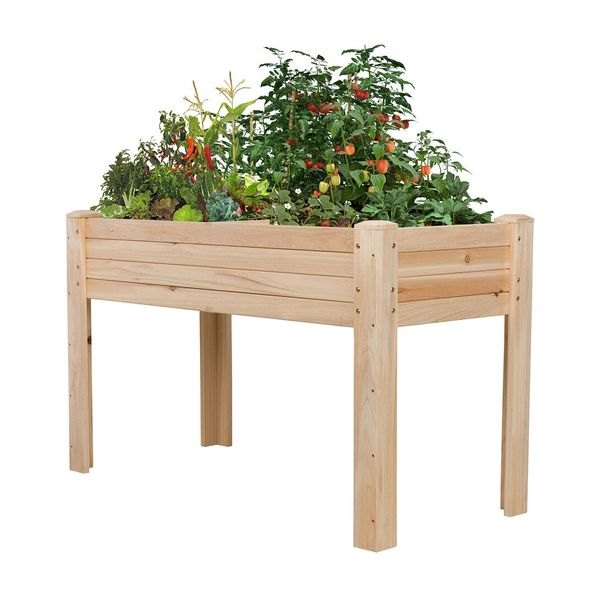
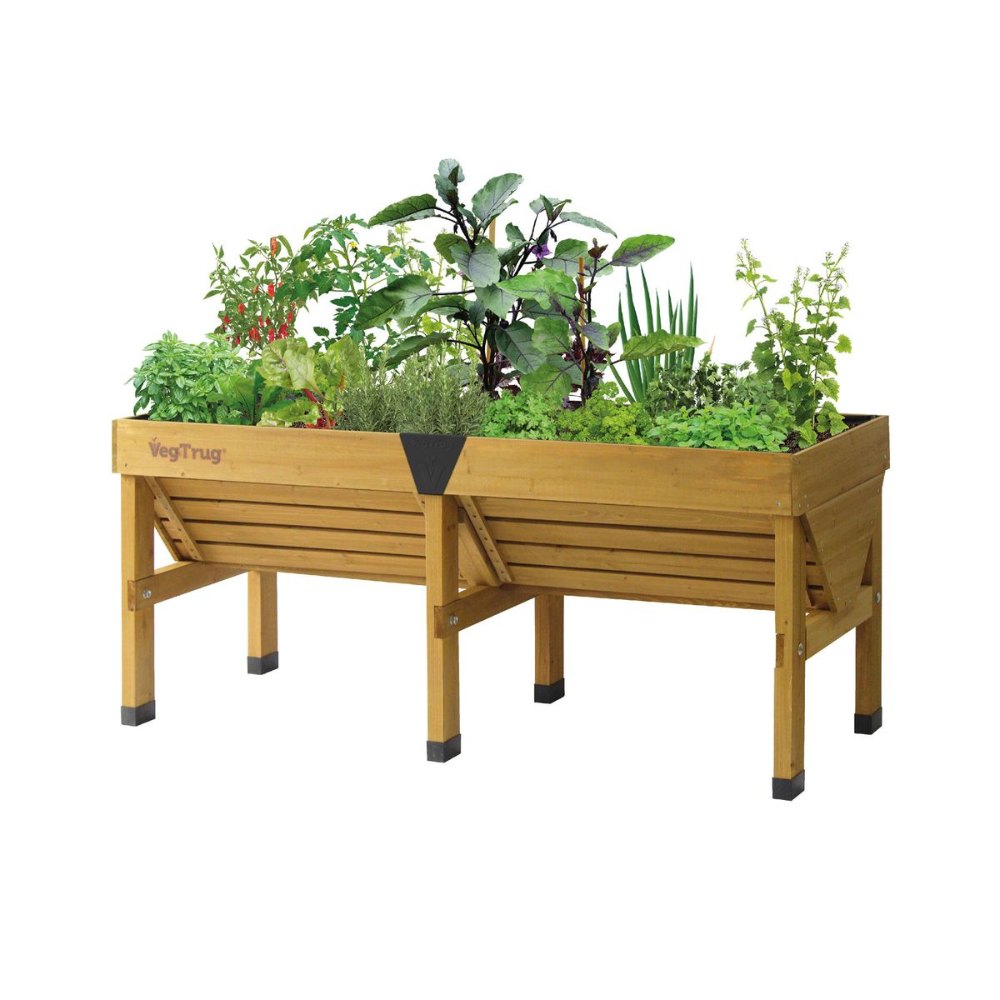
For depth, 10 to 12 inches works for most vegetables. Go 18 to 24 inches for carrots, potatoes and other root crops, or if you want less bending. Elevated beds on legs, like the VegTrug or Gilt cedar bed, put the soil at waist height, which is ideal for patios and anyone with back or knee trouble.
Step 3: Choose your material
- Cedar or redwood. Naturally rot-resistant, beautiful, and the classic choice. Expect many years of use.
- Galvanized steel. Very long-lasting, modern-looking and quick to assemble.
- Fabric grow bags. The cheapest and most portable option, perfect for a first season or a balcony.
- What to avoid: old railroad ties and any wood treated with creosote. Many gardeners also skip pressure-treated lumber for food beds to be safe.
Step 4: Build it (or assemble a kit)
- Clear the spot. Cut back grass and weeds, then lay plain cardboard on the ground to smother what is left. It breaks down over the season.
- If you have gophers or moles, staple galvanized hardware cloth across the bottom of the frame.
- Build the frame from 2×10 or 2×12 cedar boards with 4×4 corner posts and exterior-grade screws, or assemble your kit following its instructions.
- Set the frame in place and check it with a level.
- Fill it with soil (see below) and water it well before planting.
Step 5: Fill it with the right soil
Don’t fill a raised bed with plain dirt from the yard. It compacts and drains poorly. A common recipe is roughly 60% topsoil, 30% compost and 10% potting mix for extra drainage. Some gardeners prefer equal parts compost, peat or coconut coir, and vermiculite. Either way, top it up with a couple of inches of fresh compost every year.
How much soil do you need? Multiply length by width by depth in feet to get cubic feet, then divide by 27 for cubic yards. A 4 x 8 x 1 foot bed needs 32 cubic feet, or about 1.2 cubic yards. Bagged soil is easiest for one or two beds; for several, bulk delivery by the yard is usually cheaper.
What to plant in a raised bed
Almost anything grows well in a raised bed. Good first crops: lettuce and other salad greens, herbs like basil and parsley, bush beans, peppers, cherry tomatoes (with a stake or cage), zucchini and strawberries. Plant cool-season crops like lettuce and peas in early spring, and tomatoes, peppers and basil after your last frost date. Building in fall is smart: fill the bed now, let the soil settle over winter, and it is ready to plant in spring.
What does a raised garden bed cost?
A fabric grow bag can cost under $20. Metal and cedar kits typically run about $90 to $200. Building your own 4-by-8-foot cedar bed depends on local lumber prices, and you should budget separately for soil, which is often the bigger cost for a deep bed.
The best raised garden bed kits
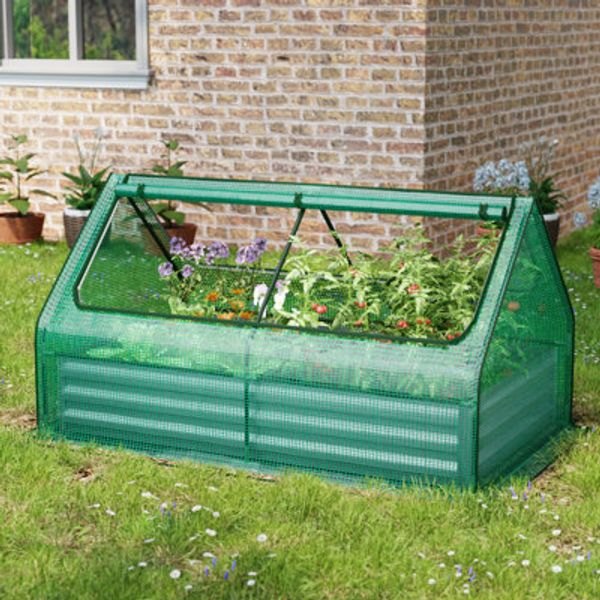
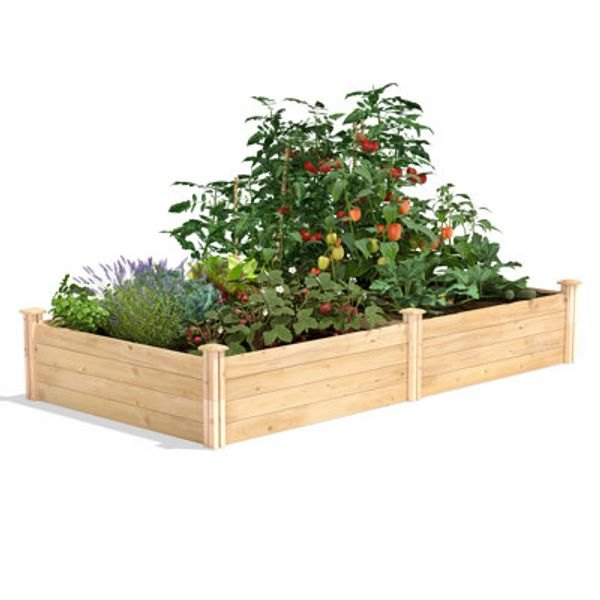
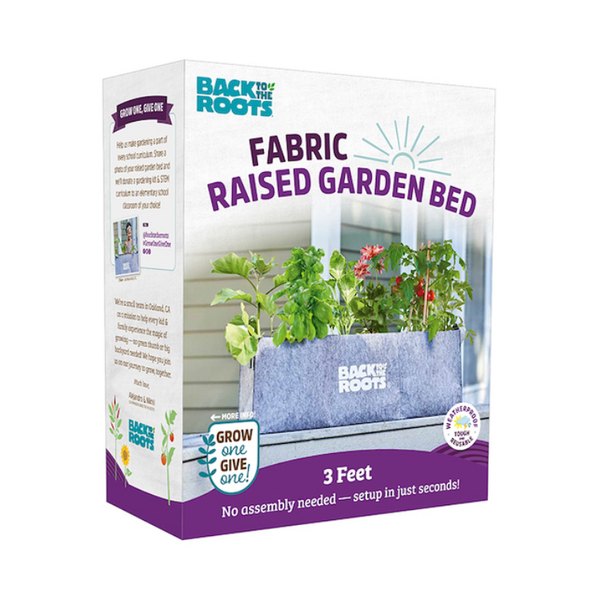
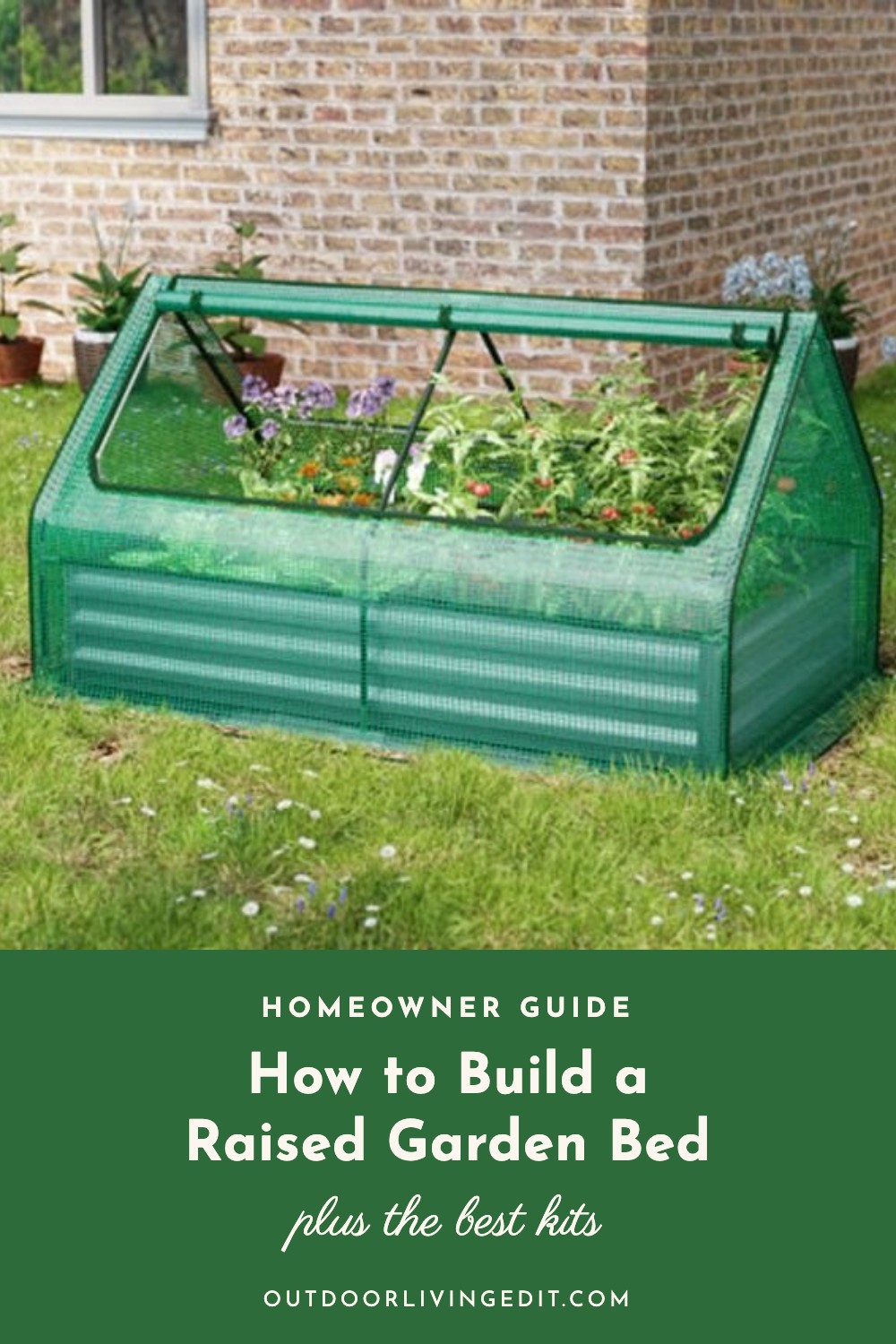
The August Grove Classic Cedar Raised Garden Bed is the classic, natural-wood look. The Gilt 4-Foot Cedar Raised Garden Bed and VegTrug Classic stand on legs at working height, so there is no kneeling. The UPTIOT Galvanized Raised Garden Bed comes with a mesh cover that keeps out birds and pests and is built to last for years. For a first season or a balcony, the Back to the Roots Fabric Raised Garden Bed costs less than $20.
Planning the rest of the yard? Before winter, read how to winterize a sprinkler system.
The Edit, in your inbox
New reviews, the best outdoor deals and seasonal ideas. Once a week.
Watering a big garden? Compare drip and sprinklers in our guide to how much a sprinkler system costs.
The bottom line
Pick a sunny, level spot, keep the bed 4 feet wide or less and at least 10 to 12 inches deep, and fill it with a mix of topsoil and compost, not yard dirt. Build it from cedar or buy a kit, and you can be planting in an afternoon.
Cold snap coming? Learn how to protect plants from frost in your raised beds.
FAQ
At least 10 to 12 inches for most vegetables, and 18 to 24 inches for root crops like carrots and potatoes.
Plain cardboard to smother grass and weeds, plus galvanized hardware cloth if you have gophers or moles. You don’t need gravel.
A 4 x 8 bed that is 1 foot deep needs 32 cubic feet, about 1.2 cubic yards.
Cedar or redwood, because they resist rot naturally without chemical treatment.
Fall and early spring are both great. Building in fall gives the soil time to settle before spring planting.