How to Protect Plants from Frost (Step by Step)
We pick products independently. When you buy through our links, we may earn a commission.
The short version: water the soil in the morning, move pots close to the house, and cover tender plants before sunset with frost cloth, old sheets or burlap that reaches the ground. Anchor the edges, and take covers off the next morning once it is above freezing.
An early fall frost or a late spring cold snap can wipe out tomatoes, basil and fresh spring plantings in a single night. The good news: a few minutes of prep in the afternoon usually saves them. Here is how to tell when your plants are at risk, what to cover them with, and the mistakes that let the cold in anyway.
What temperature is too cold for plants?
Frost forms when the air temperature drops below 32°F, but ice crystals can start forming on leaves at 33 to 36°F on clear, still nights. According to the Farmers’ Almanac, here’s what each level of cold does:
- Frost, 33 to 36°F: ice crystals form on leaf surfaces; tender plants can be damaged.
- Light freeze, 29 to 32°F: tender plants are killed, including tomatoes, peppers, basil, cucumbers and squash.
- Moderate freeze, 25 to 28°F: most garden plants are damaged and fruit blossoms are killed.
- Hard freeze, 24°F and below: most plants are killed; only cold-hardy crops like kale and cabbage get through unprotected.
Clear skies and calm wind make frost more likely, because the ground loses its heat quickly overnight. Low spots in the yard, where cold air settles, get frost first.
Which plants need protecting?
Cover warm-season vegetables and herbs (tomatoes, peppers, basil, squash, cucumbers, beans), summer annuals, tropical and potted citrus, succulents left outside, new transplants, and shrubs that are flowering or putting out new growth. Cool-season crops like kale, cabbage, spinach, lettuce and pansies handle a light frost and often taste sweeter after one, but cover them before a hard freeze.
What you’ll need
- Frost cloth (also sold as frost blankets or row cover), or old bedsheets, blankets or burlap
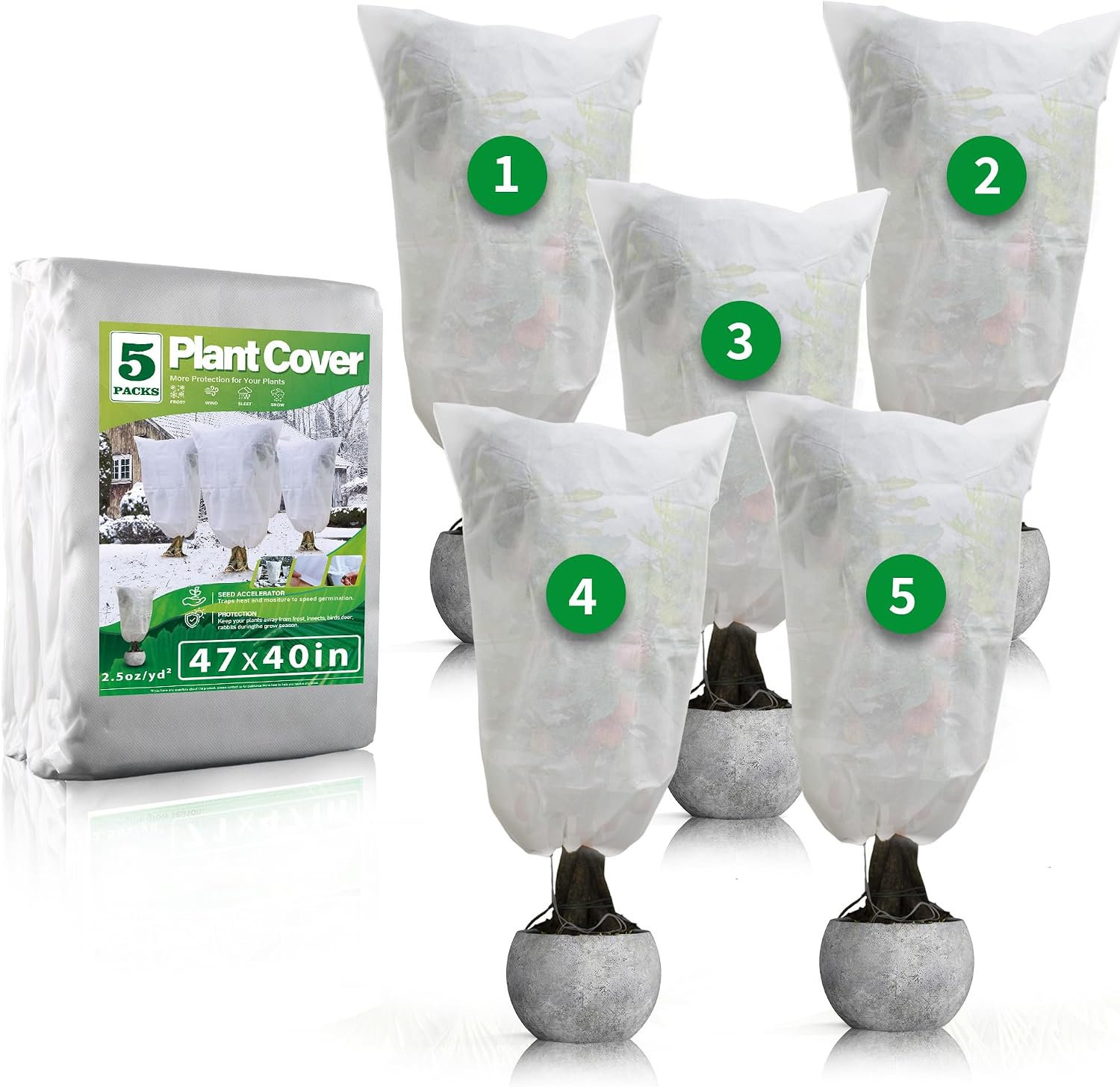
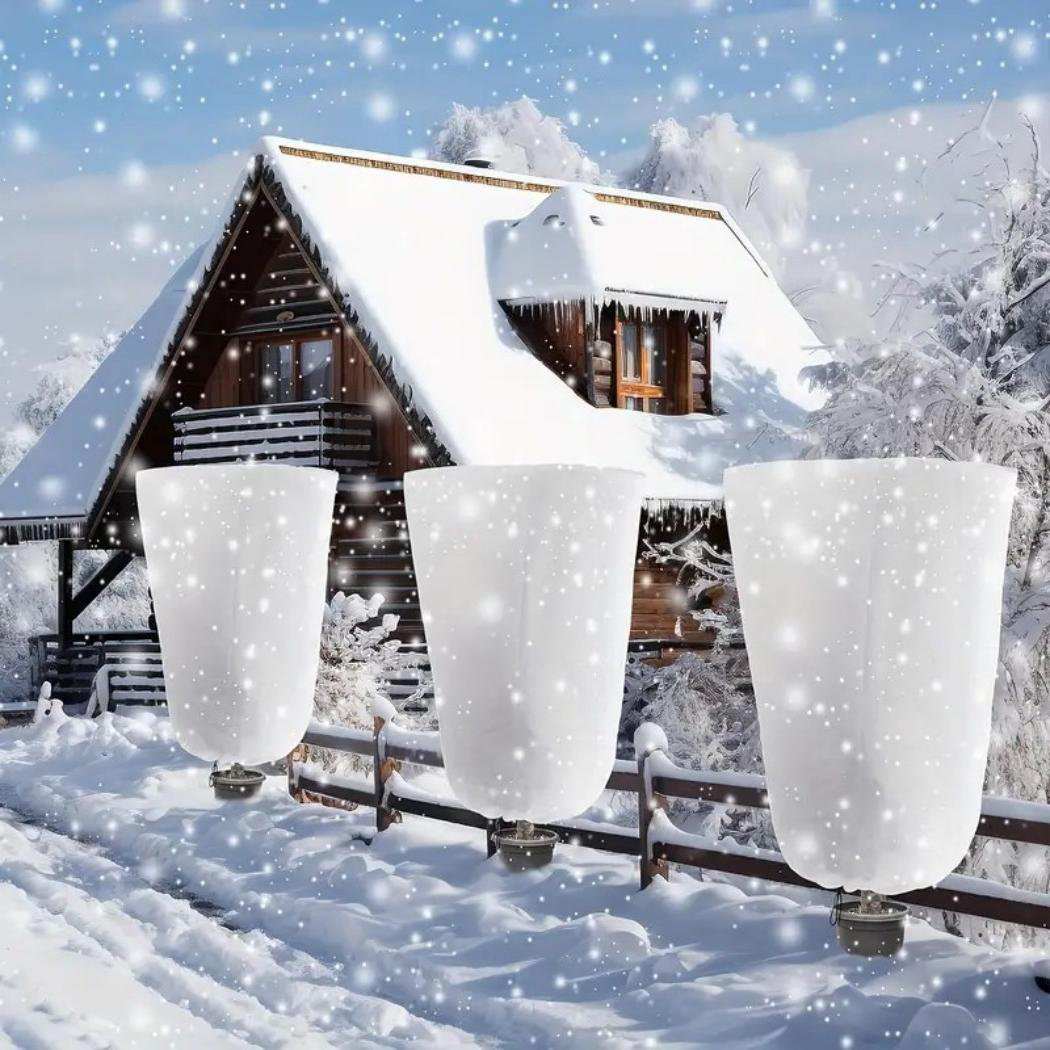
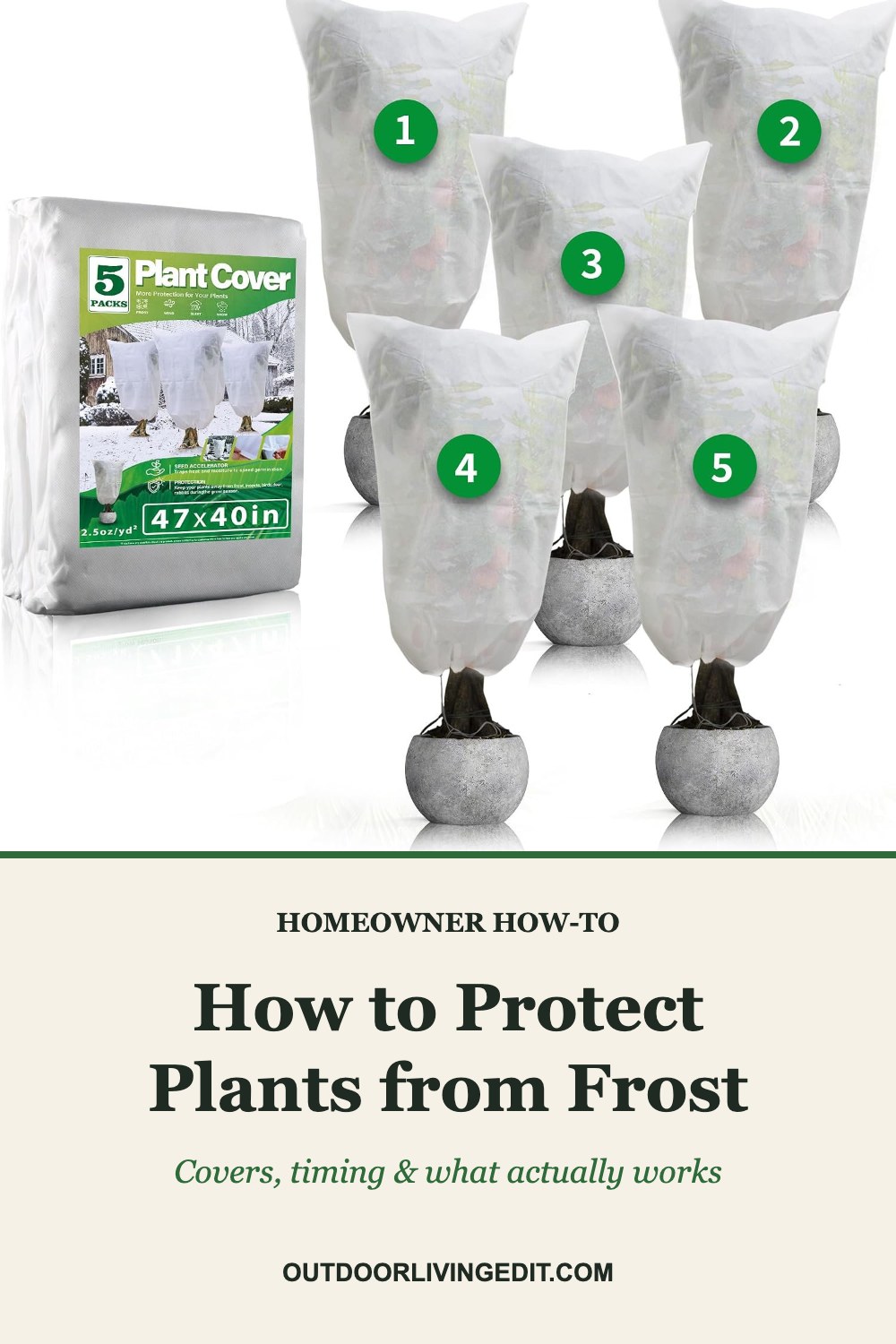
- Reusable drawstring plant covers for shrubs and pots
- Rocks, bricks or landscape pins to anchor the edges
- Stakes or wire hoops to hold covers off delicate plants
- A hose or watering can
Step 1: Watch the forecast
Check the overnight low the afternoon before. If it’s forecast at 36°F or below with clear skies and little wind, plan to protect tender plants. Your local frost dates tell you when to start watching: the first frost date in fall and the last frost date in spring.
Step 2: Water the soil in the morning
Moist soil holds and releases more heat than dry soil, so water the ground the morning before a frost (not at night, when wet leaves can freeze). That stored warmth radiates up overnight and is what your covers trap around the plant.
Step 3: Move potted plants
Containers get colder than plants in the ground because their roots are surrounded by air. Move pots into a garage, shed or porch, or group them together against a south- or west-facing wall of the house, which gives off heat after dark. Lift heavy planters onto pot feet or wrap them in burlap if you can’t move them.
Step 4: Cover plants before sunset
Put covers on in the late afternoon or before sunset, while the ground still holds the day’s heat. Drape the cover loosely over the plant all the way down to the soil. A cover only works if it traps heat rising from the ground, so a sheet tied around the stems like a skirt does very little. Anchor the edges with rocks, bricks or pins so the wind can’t blow it off.
Use breathable fabric like frost cloth, sheets or burlap. If plastic is all you have, use stakes to hold it off the leaves; plastic touching foliage passes the cold straight through. For extra warmth on a hard-freeze night, double up with frost cloth underneath and a blanket on top.
Step 5: Uncover in the morning
Take covers off the next morning once temperatures climb above freezing. Plants need light, and covers left on in the sun can overheat them. Fold reusable covers and keep them by the door for the next cold night.
Raised beds and garden rows
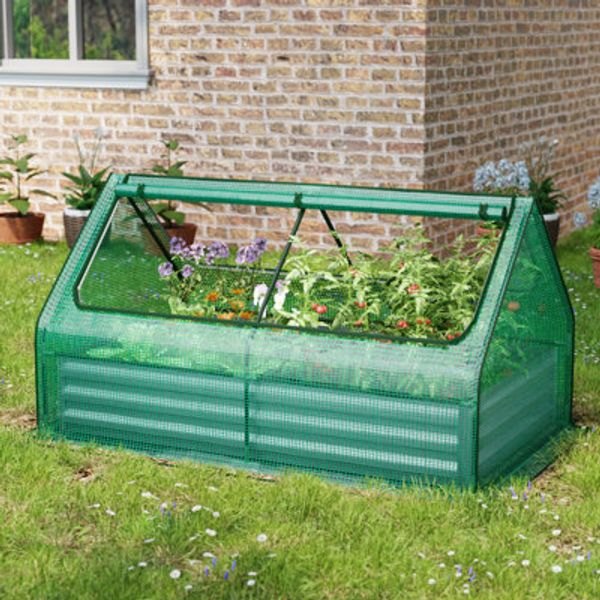
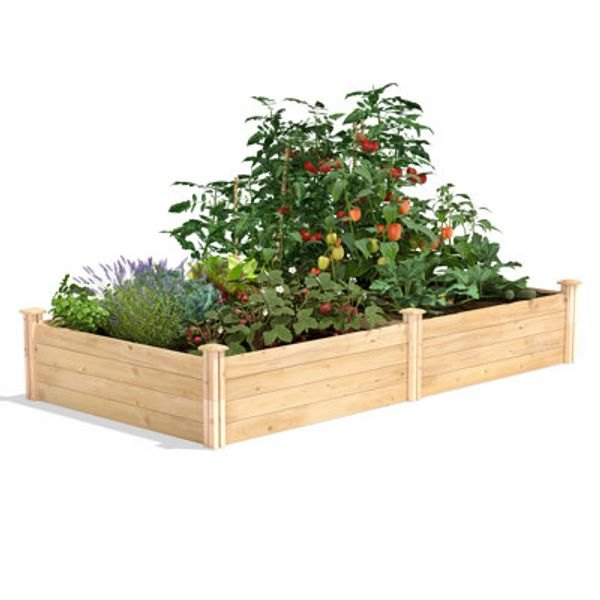
Raised beds drain well and warm up quickly in spring, but their soil can also lose heat fast. The easiest setup is a few wire or PVC hoops over the bed with frost cloth clipped on top, which keeps fabric off the plants and stays ready all season. Building a new bed? See our guide to how to build a raised garden bed and use the raised bed soil calculator to figure out how much soil to buy.
A note on mulch
A thick layer of mulch keeps the soil’s warmth below ground instead of letting it rise around the plant, so the Farmers’ Almanac notes heavily mulched beds can be slightly more frost-prone. On a frost night, pull mulch back from tender annuals and vegetables. For perennials, shrubs and roses, a winter mulch applied after the ground freezes is still worth it, because it protects roots from freeze-thaw cycles.
Shop the edit
Reusable frost covers we’d keep in the garden shed, plus raised beds that make frost season easier to manage. More in the Garden & Lawn shop.
Common mistakes to avoid
- Covering plants after dark, when the ground has already lost its heat.
- Stopping the cover at the stems instead of letting it reach the ground.
- Letting plastic touch the leaves.
- Leaving covers on all the next day in the sun.
- Forgetting pots on the patio: containers freeze before plants in the ground do.
- Watering at night right before a freeze.
Before next spring
Late spring frosts catch more gardeners than fall ones, because new transplants are small and tender. Keep a set of frost covers on hand from March through May, and wait until after your last frost date to plant tomatoes, peppers and basil outside. While you’re winterizing the yard, also see how to winterize a sprinkler system and how to store outdoor furniture for winter.
The Edit, in your inbox
New reviews, the best outdoor deals and seasonal ideas. Once a week.
The bottom line
Most frost damage is preventable. Water the soil in the morning, move pots close to the house, cover tender plants before sunset with breathable fabric that reaches the ground, and uncover them in the morning. Keep a few reusable frost covers on hand, and you’ll be ready for both fall’s first frost and spring’s last.
FAQ
Cover tender plants when the forecast low is 36°F or below, especially on clear, calm nights. Frost can form on leaves before the air reaches 32°F.
Yes. Old bedsheets, blankets and burlap all work. Drape them to the ground and anchor the edges so they trap heat from the soil.
Only if you keep it off the leaves with stakes or hoops. Plastic touching foliage transfers the cold, and it can overheat plants if left on in the sun.
The next morning, once the temperature is above freezing.
Watering the soil in the morning helps, because moist soil holds and releases more heat overnight than dry soil. Avoid watering at night right before a freeze.
Often, yes, if the roots and crown survived. Wait until new growth appears before pruning off damaged leaves, since they help shield the plant from the next frost.
Source: Farmers’ Almanac, “Frost Temperature and Outdoor Plants: What You Need to Know.”