How to Winterize a Sprinkler System (Step by Step, Plus What It Costs)

The short version: turn off the water to your sprinkler system, set the controller to off or rain mode, drain every zone (with drain valves or a compressed-air blowout), then protect the backflow preventer and outdoor faucets. Do it before the first hard freeze. A professional blowout usually runs about $50 to $150 for a typical yard, depending on where you live and how many zones you have.
Water left inside a sprinkler system is the most common cause of spring irrigation repairs. When it freezes, it expands and cracks pipes, fittings, valves and the backflow preventer, and you usually don’t find out until you turn the system on in April and see a geyser in the lawn. Winterizing takes an afternoon and saves a much bigger bill. Here is how to do it, step by step.
When to winterize your sprinkler system
Winterize before the first hard freeze, when overnight temperatures start dropping into the 20s°F. In most northern and mountain states that means October to early November. If you live somewhere with mild winters, such as coastal California, Florida or the Gulf Coast, you may not need a full blowout, but it is still smart to insulate the backflow preventer and any exposed pipes before a cold snap.
What you’ll need
- The key or wrench for your irrigation shut-off valve
- A flathead screwdriver (for backflow test cocks)
- An air compressor with enough volume (CFM), if you are doing a blowout. Most small pancake compressors don’t have enough, so many homeowners rent a larger one or hire a pro.
- Safety glasses
- An insulated cover for the backflow preventer, and faucet covers for outdoor spigots
Step 1: Turn off the water supply
Find the main shut-off valve for the irrigation system. It is usually in the basement, a crawl space or a valve box near the water meter, and it is separate from the house supply. Turn it fully off. If the valve sits in an unheated space, wrap it with pipe insulation.
Step 2: Set the controller to off or rain mode
Switch the timer to “off” or “rain” mode so it stops trying to open the valves. Rain mode keeps your watering schedule saved for spring. Smart controllers usually have a winter or pause setting in the app.
Step 3: Drain the water out of the system
There are three ways to do this. Which one you use depends on how your system was built.
Manual drain valves
Some systems have drain valves at the low points of the pipes. Open each one and let the water run out, then open the drain on the supply line between the shut-off and the backflow preventer. Be careful: water in the lines can be under pressure. Close the valves again once the system is empty.
Automatic drain valves
These open on their own when the water pressure drops. After you turn off the water, run one zone for a few seconds from the controller to release the pressure, and the drains will empty the lines. You still need to drain the supply line and the backflow preventer by hand.
Compressed-air blowout (most thorough)
A blowout uses compressed air to push the water out through the sprinkler heads. It is the most thorough method and the one most irrigation companies use in cold climates. Follow these rules:
- Connect the compressor to the blowout port, which is usually just after the backflow preventer.
- Open a zone from the controller before you add air. Never blow air into a closed system.
- Keep the pressure moderate. A common rule of thumb is no more than about 80 PSI for rigid PVC pipe and about 50 PSI for flexible poly pipe. Check your system’s specifications.
- Run air through each zone until the heads spit only mist, usually 2 to 3 minutes. Don’t keep going after that: without water to cool them, the gears inside rotor heads can overheat.
- Go through every zone, then do a second, shorter pass.
- Wear safety glasses, and never stand over a sprinkler head or the backflow preventer while air is flowing.
Step 4: Drain and protect the backflow preventer
The backflow preventer is the brass assembly where your system connects to the house water, and it is often the most expensive part to replace. After draining, open the small test cocks with a flathead screwdriver, then leave the ball valve handles at a 45-degree angle (half open) so trapped water has room to expand. Cover the whole assembly with an insulated pouch or blanket.
Step 5: Protect outdoor faucets and hoses
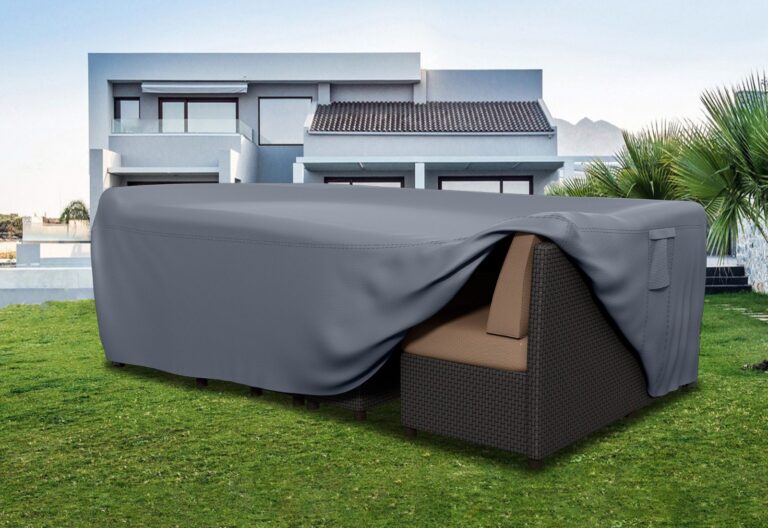
Disconnect, drain and coil every garden hose, and store them in a garage or shed. Put an insulated cover on each outdoor faucet. While you are out there, it is a good time to store your outdoor furniture for winter and put covers on anything that stays outside.
Common mistakes to avoid
- Forgetting to turn off the water before you start.
- Blowing air into the system with every zone closed.
- Using too much pressure, which can crack fittings and blow apart heads.
- Over-blowing a zone after it has stopped spitting water.
- Leaving the controller running all winter, which can open valves on a schedule.
- Skipping the backflow preventer, the part most likely to crack.
Should you DIY or hire a pro?
If your system has manual or automatic drain valves, draining it yourself is very doable. A blowout is more involved: you need a compressor with enough volume and you have to manage the pressure carefully. Many homeowners hire an irrigation company for the blowout, which usually costs about $50 to $150 for a typical residential system depending on your area and number of zones. Many companies also offer a spring start-up for a similar price.
In spring: how to turn it back on
Wait until the risk of a hard freeze has passed. Close any drain valves and test cocks, turn the backflow valves back to fully open, then open the main shut-off slowly so a sudden surge doesn’t damage the pipes. Run each zone and walk the yard to check for broken heads or leaks.
The Edit, in your inbox
New reviews, the best outdoor deals and seasonal ideas. Once a week.
Planning next year’s garden? Fall is a great time to learn how to build a raised garden bed, so the soil can settle over winter.
Thinking about a new system? See how much a sprinkler system costs, from two zones to a full yard.
Don’t forget the hose spigots on the house itself. Our step-by-step guide to how to winterize outdoor faucets covers shut-off valves, draining and frost-free spigots.
The bottom line
Turn off the water, set the controller to rain mode, drain or blow out every zone, and protect the backflow preventer and faucets before the first hard freeze. It is a one-afternoon job that prevents the most common and most expensive spring sprinkler repairs. If you are unsure about your system, check the manufacturer’s instructions or call a local irrigation pro.
Got tender plants in the garden too? Here is how to protect plants from frost on cold nights.
FAQ
Before the first hard freeze, when nights drop into the 20s°F. In most cold climates that is October or early November.
Yes, if your system has manual or automatic drain valves. Turn off the water, open the drains, and drain the backflow preventer. A blowout is more thorough, but not every system needs one.
A common guideline is no more than about 80 PSI for rigid PVC pipe and about 50 PSI for flexible poly pipe. Air volume matters more than pressure, so a larger compressor at moderate pressure works best.
A professional blowout usually costs about $50 to $150 for a typical home, depending on your area and the number of zones.
In most of coastal California, a full blowout usually isn’t necessary. In colder inland and mountain areas it is. Wherever you live, insulating the backflow preventer before a cold snap is cheap insurance.