12 English Garden Ideas for a Cottage-Style Backyard
We pick products independently. When you buy through our links, we may earn a commission.
Layered, overflowing planting softened by structure: clipped hedges, gravel paths, weathered teak and stone, a lawn for games, and just enough wildness that it looks like it has always been there. Shop the pieces in our English Garden & Cottage shop.
The English garden is the opposite of a minimalist yard. It’s generous and a little romantic: roses climbing the walls, borders spilling onto the path, a bench tucked where you’d want to sit with a cup of tea. It was shaped by gardeners like Gertrude Jekyll, whose painterly herbaceous borders set the template, and by famous gardens like Sissinghurst in Kent, with its all-white garden. The good news is that the look scales down well. These English garden ideas work on a quarter-acre lot, a townhouse courtyard or a single terrace.
1. Plant a deep mixed border
The heart of an English garden is the mixed border: shrubs for structure, perennials for season-long color, and bulbs and self-seeding annuals filling the gaps. Go deeper than you think (6 to 8 feet if you have the room) and plant in drifts of three, five or seven so it reads as abundant rather than spotty. Layer heights from front to back, and repeat a few plants along the length to tie it together. Classic choices: roses, foxgloves, delphiniums, catmint, salvia, alliums, peonies and lady’s mantle.
2. Add structure with clipped green
What keeps all that softness from looking messy is structure. Boxwood balls, a low hedge edging the beds or a pair of clipped evergreens by the door give the eye a place to rest in winter, too. If boxwood blight is a problem where you live, look at alternatives like dwarf yaupon holly, Japanese holly or inkberry.
3. Let roses and climbers cover the walls
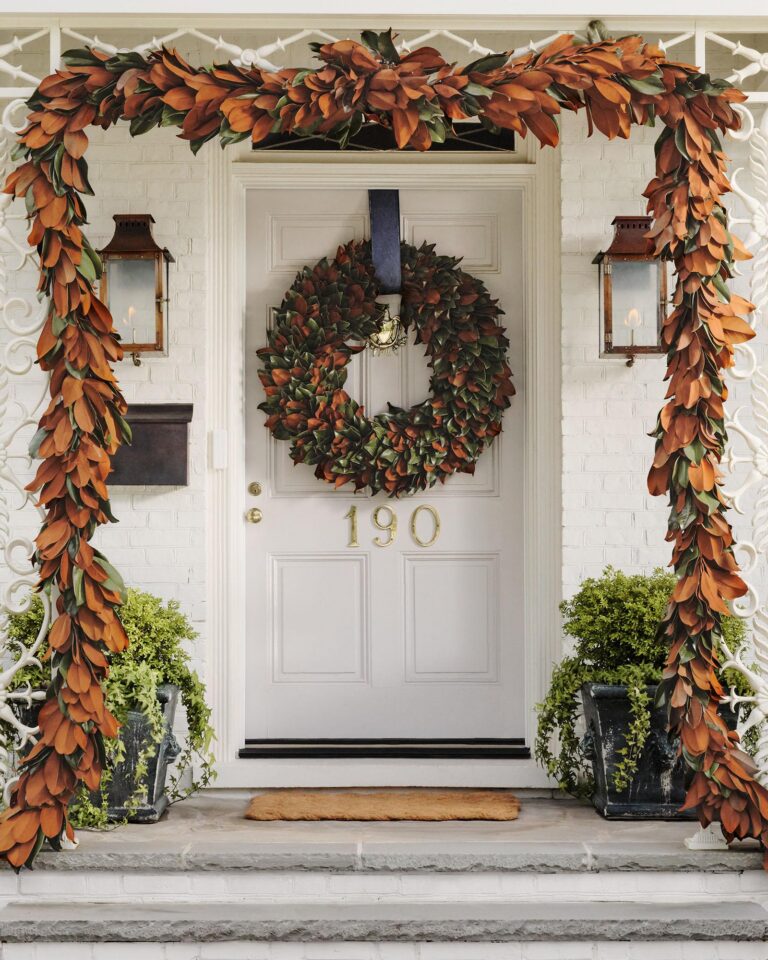
Climbing roses over a door, clematis through a trellis or wisteria along a pergola instantly make a house look established. Train climbers onto horizontal wires to get more flowers, and plant a clematis at the foot of a rose so the two bloom together.
4. Lay a gravel or brick path
A crunchy pea-gravel path or old brick laid in a herringbone pattern feels far more English than concrete. Let low plants like thyme, alchemilla and catmint flop over the edges to soften the line.
5. Make room for a lawn (and a game on it)
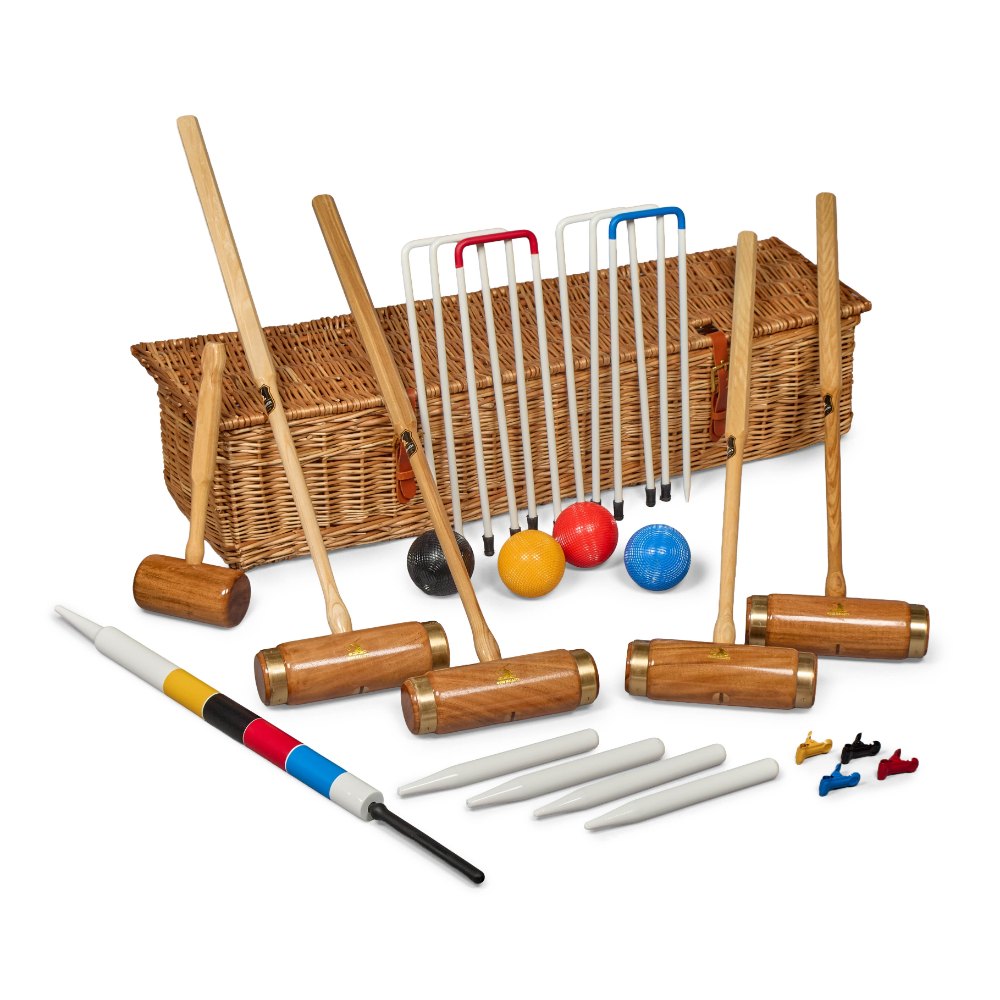
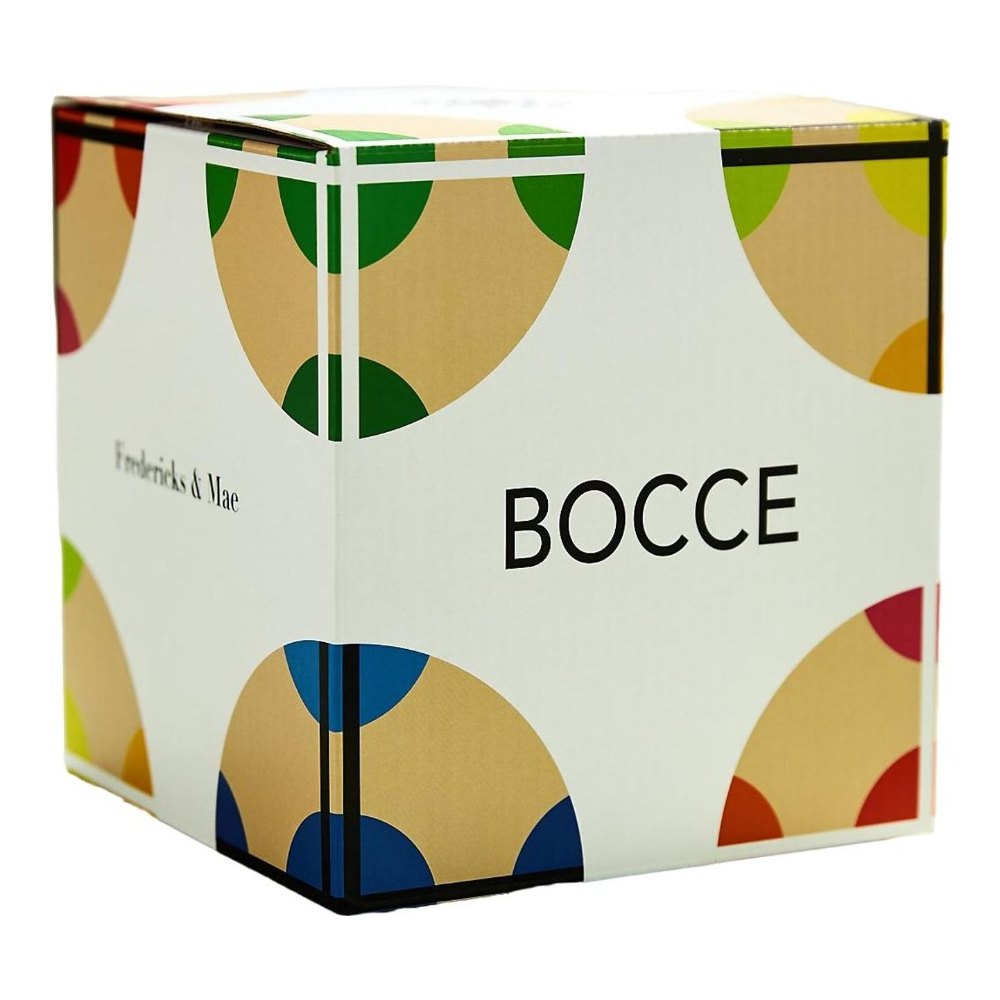
Even a small rectangle of lawn gives the eye a calm space between busy borders. It’s also where an English garden comes alive in summer: croquet on a long afternoon, or bocce after dinner. A wooden croquet set left out on the grass is one of the most charming props you can buy.

6. Choose teak, weathered silver
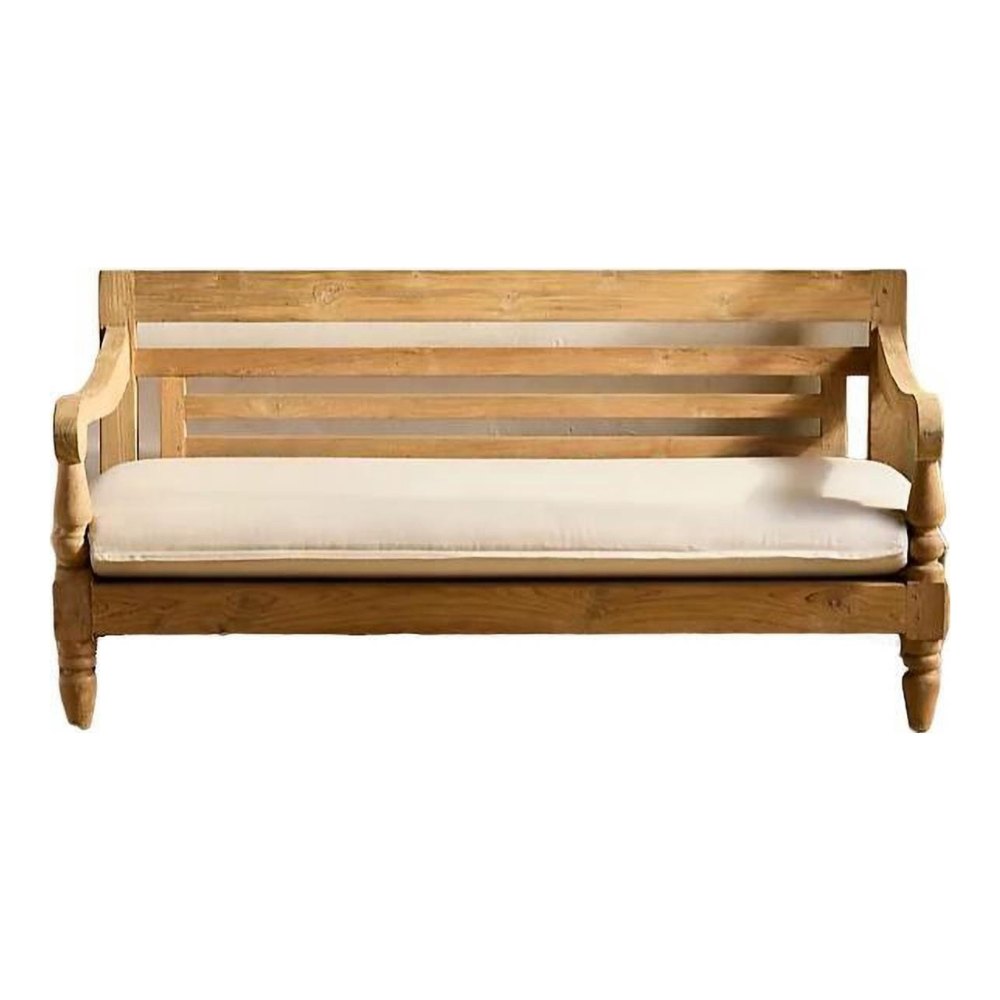
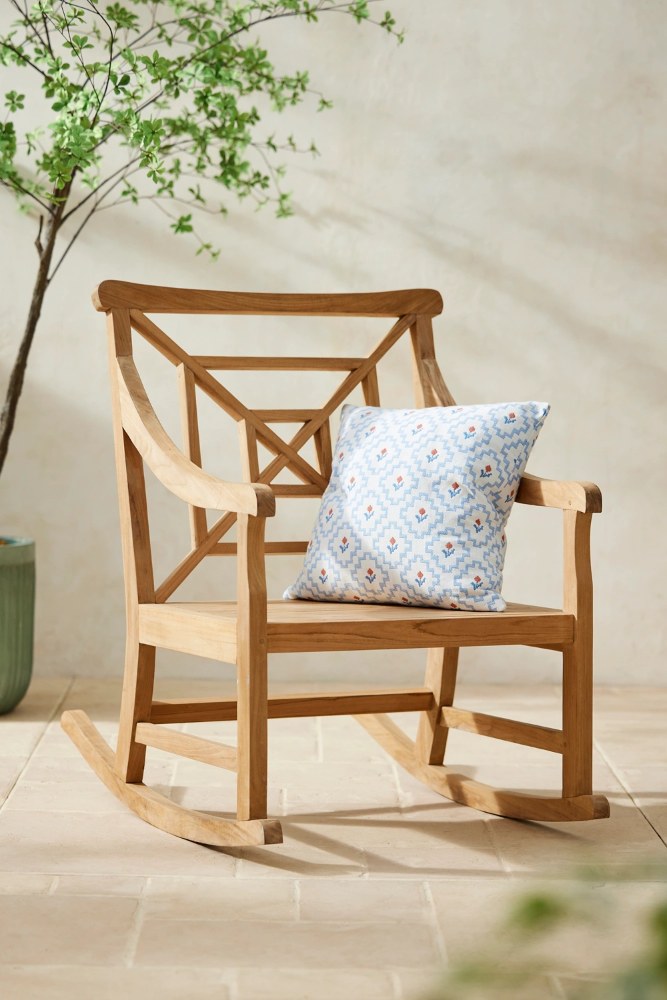
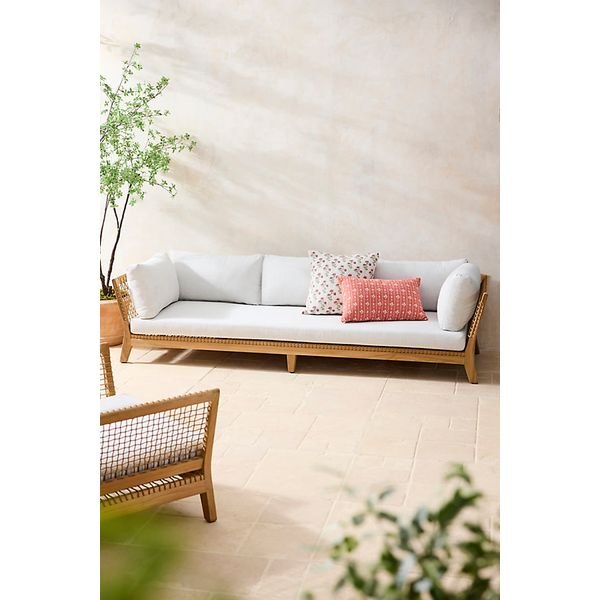
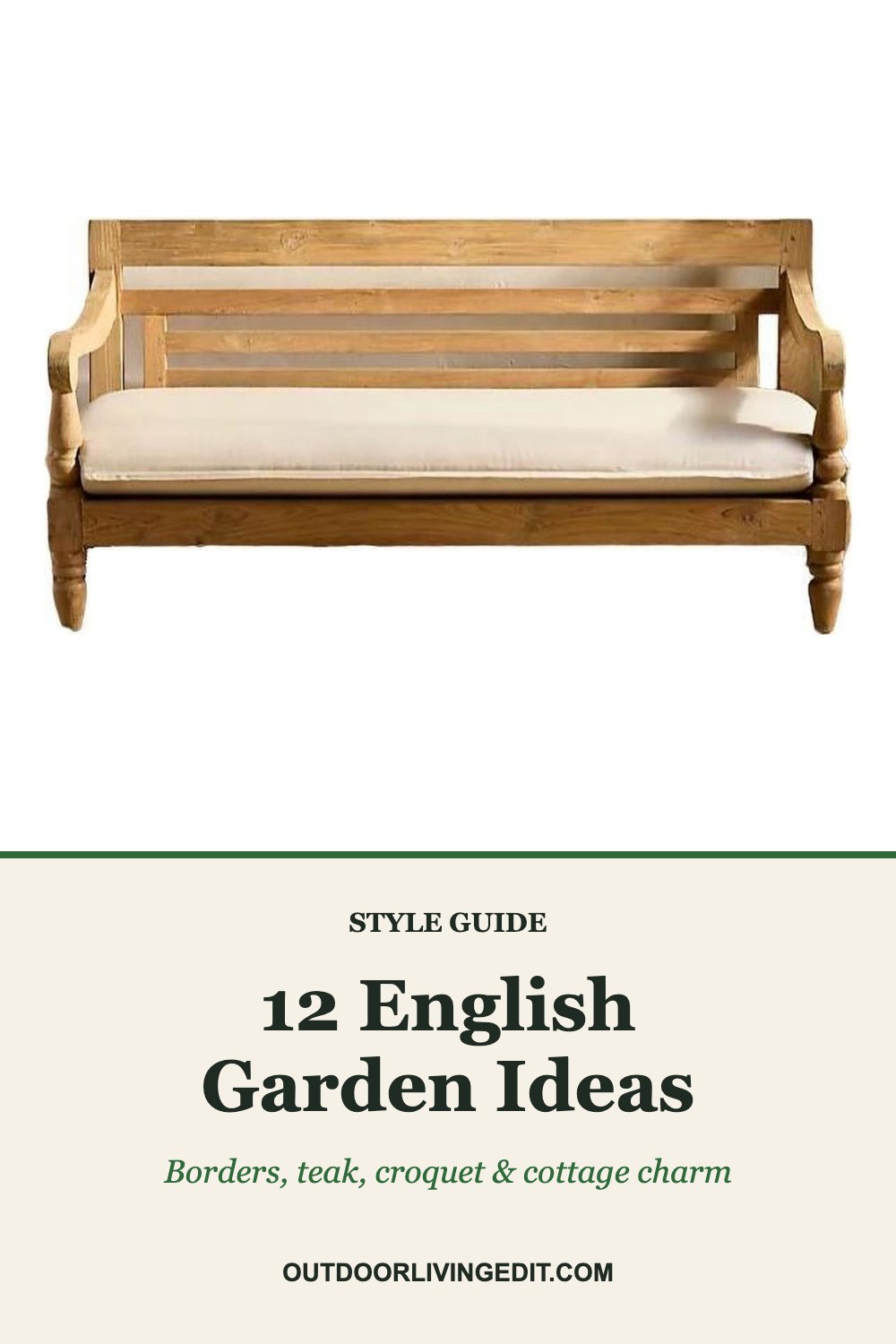
English garden furniture is classic: teak benches, steamer chairs and dining tables left to weather to a soft silver-gray. Pick simple, traditional shapes over anything too sleek. Terrain’s Fretwork Teak Rocking Chair and Haven Teak Sofa have the right timeless lines for a terrace.
7. Tuck a bench into a quiet corner
Put a bench at the end of a path, under a tree or against a hedge, so there’s somewhere to walk to. It turns a garden into a series of places rather than one open space.
8. Use zinc, terracotta and stone containers
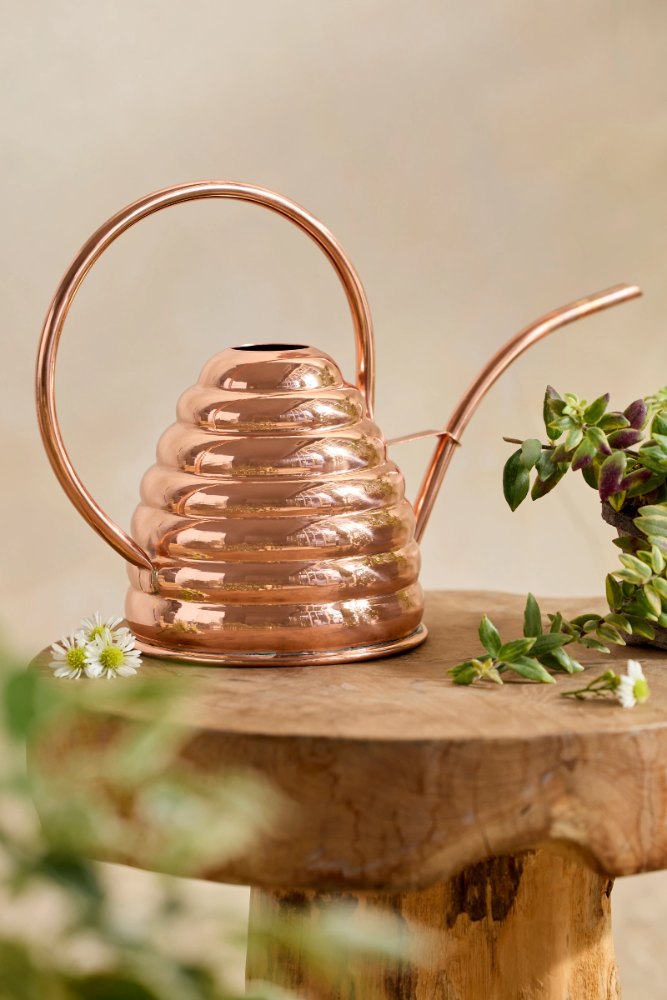
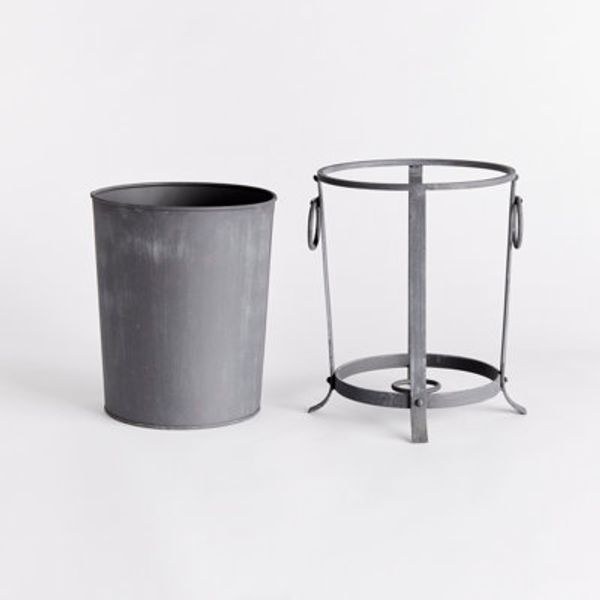
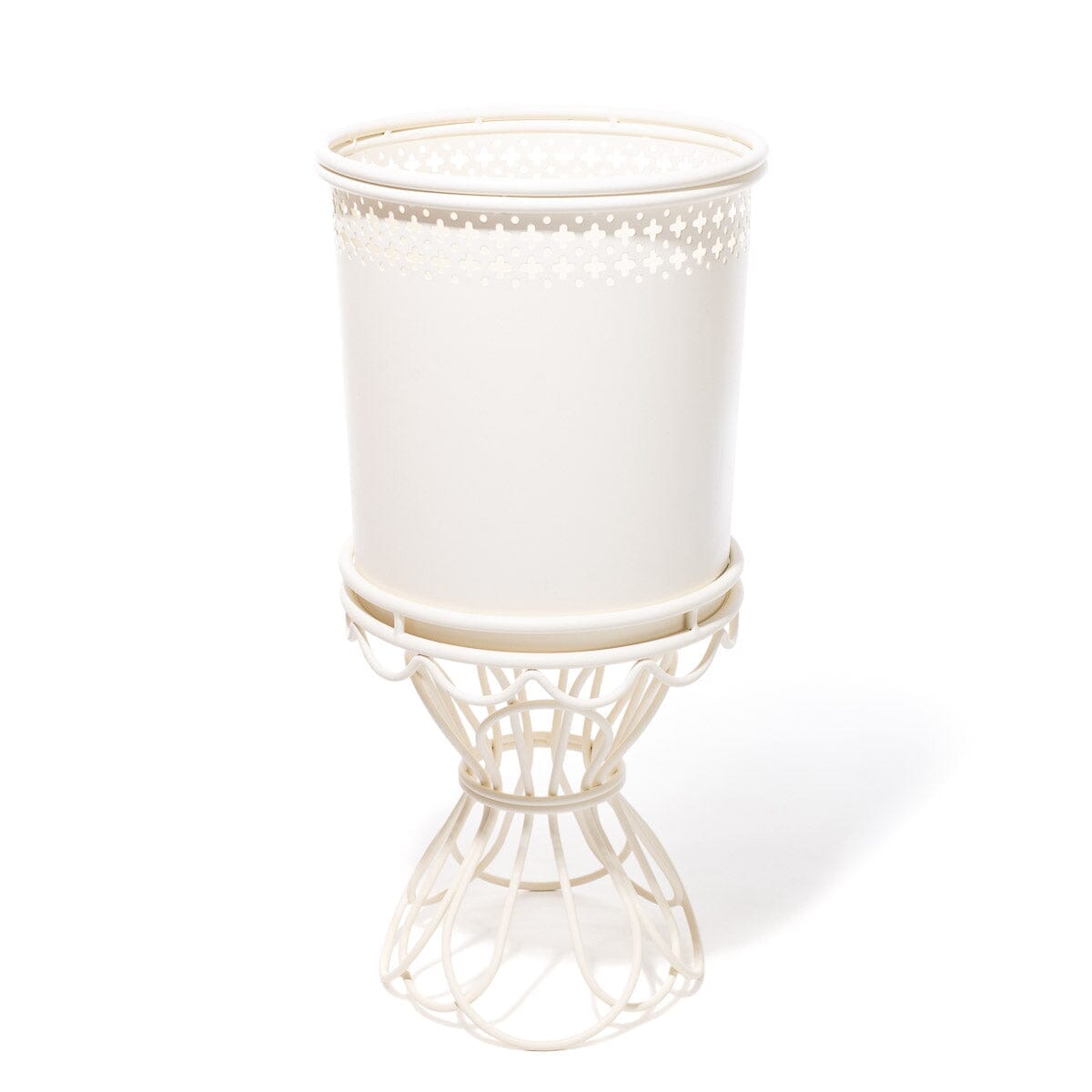
Aged zinc troughs, terracotta pots and stone urns all fit the look. Group three or five pots of different heights by the back door, and plant them with herbs, lavender or a standard topiary. A zinc planter filled with white tulips in spring is the essence of the style.
9. Grow a kitchen garden
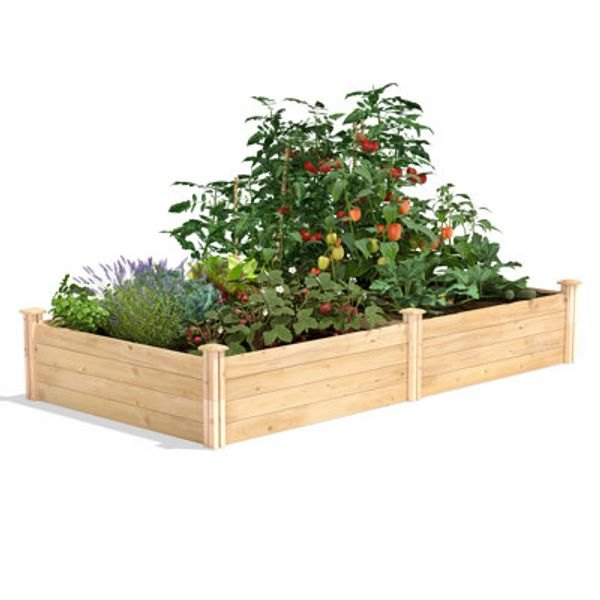
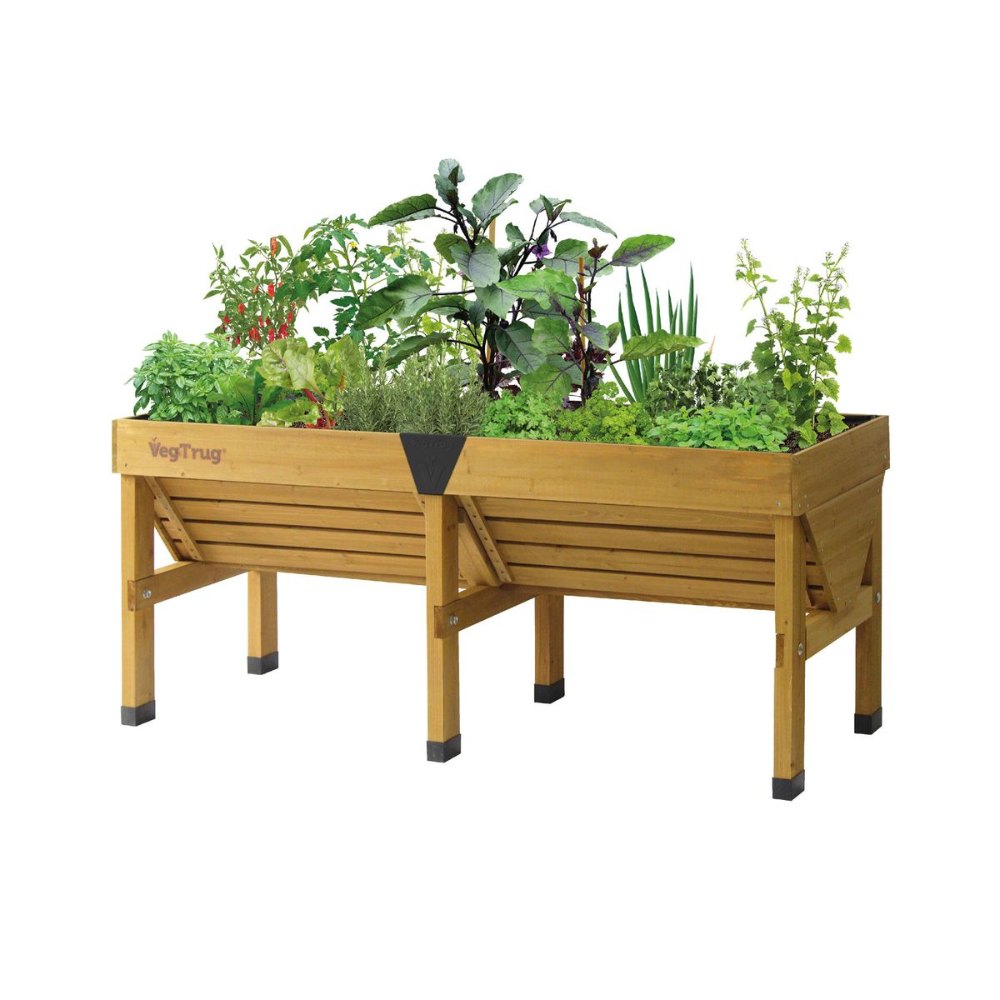
The English potager mixes vegetables, herbs and flowers in neat beds. Raised beds edged in cedar keep it tidy and productive. Plan your beds with our raised bed soil calculator and our guide to building a raised garden bed.
10. Plant a white garden
Inspired by Sissinghurst, a white garden glows at dusk. Combine white roses, cosmos, Japanese anemones, white foxgloves and silver foliage like lamb’s ears and artemisia. It’s an elegant way to plant a small courtyard.
11. Light it softly
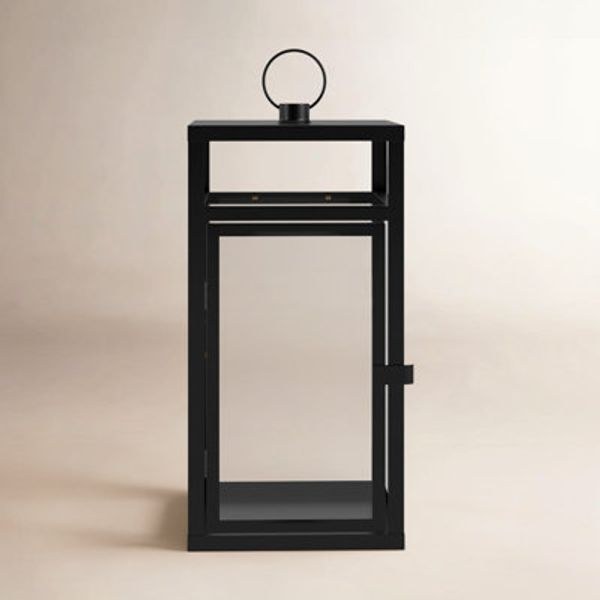
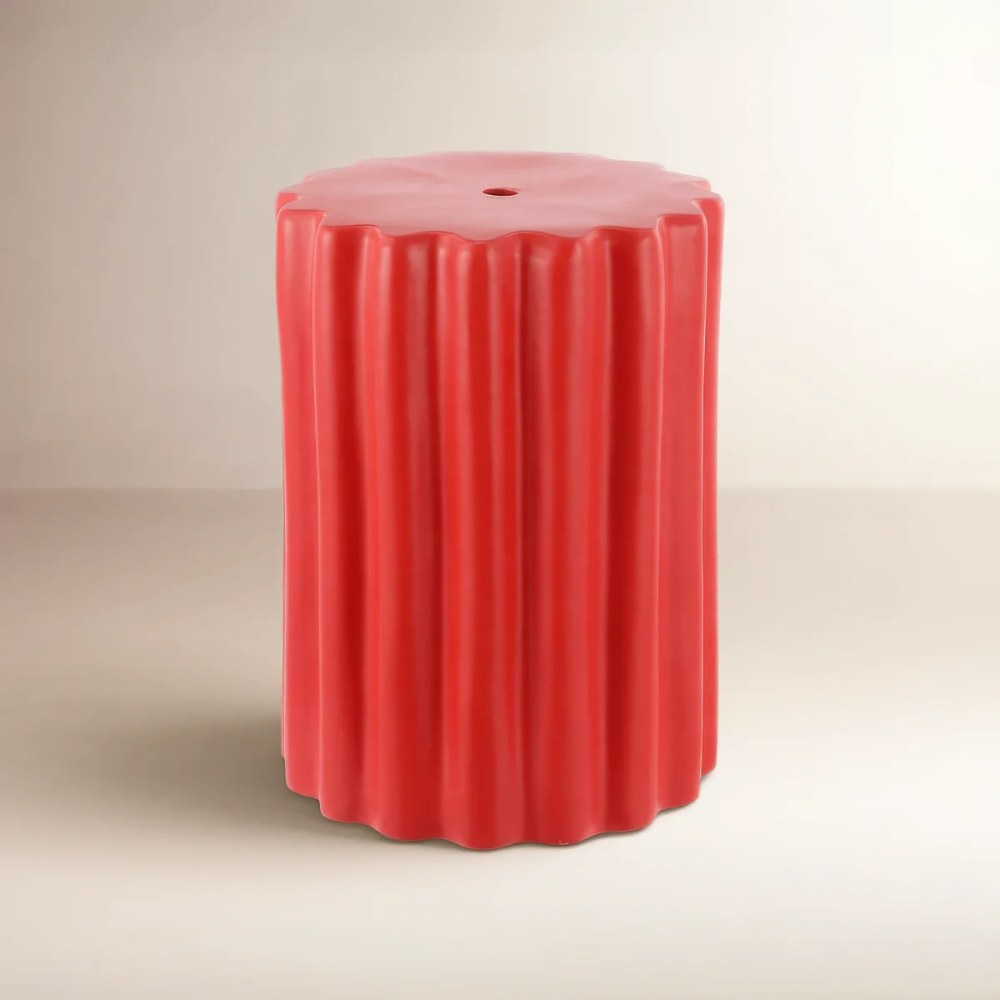
Skip bright floodlights. Lanterns on the terrace and a few candles on the table give the warm, low glow that suits a cottage garden. A wood floor lantern by the door and a garden stool used as a side table finish the scene.
12. Let it be a little wild
The final secret is restraint with the clippers. Let some plants self-seed into the gravel, leave seed heads standing for the birds in winter, and don’t edge everything perfectly. The English garden is meant to look loved, not manicured.
Shop the English garden look
Browse every piece we’ve picked for this style in our English Garden & Cottage shop, or take the outdoor style quiz to see if English Garden & Cottage is your match. For more ideas by style, explore the Inspiration board.
The Edit, in your inbox
New reviews, the best outdoor deals and seasonal ideas. Once a week.
The bottom line
An English garden comes down to abundance plus structure: deep, layered borders held together by clipped green, paths and a patch of lawn, furnished with weathered teak and old-fashioned containers. Start with one border and one place to sit, and let it grow from there.
FAQ
Layered, informal planting in deep borders, combined with formal structure such as hedges, paths and lawn. Climbing roses, cottage perennials like foxgloves and delphiniums, and weathered teak or stone furniture complete the look.
Use one deep border along a fence, a narrow gravel path, a pair of clipped evergreens in pots and a small bench. Climbers on walls add height without taking up floor space.
Classics include roses, foxgloves, delphiniums, hollyhocks, peonies, lavender, catmint, salvia, alliums, sweet peas and lady’s mantle.
A cottage garden is a more informal, densely planted style that often mixes flowers with vegetables and herbs. The broader English garden style also includes formal elements like lawns, hedges and borders.