Can Wicker Furniture Get Wet?
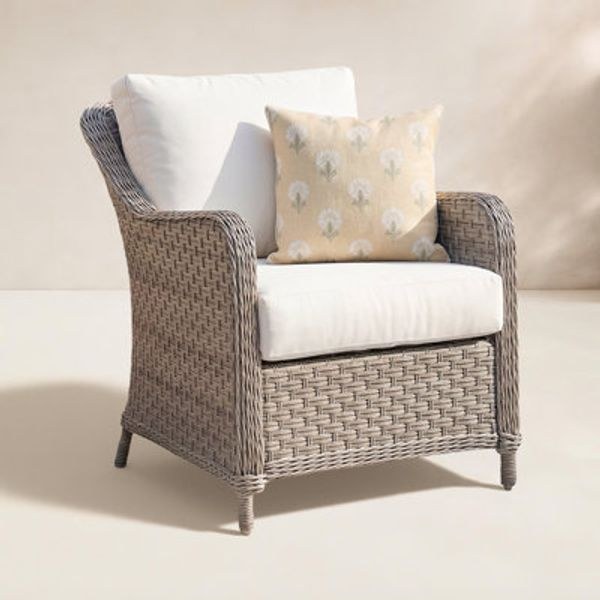
The short answer: all-weather wicker can get wet; natural wicker shouldn’t. Resin wicker made from HDPE (high-density polyethylene) is non-porous and built to sit out in rain, sun and snow, while natural wicker (rattan, willow, reed or bamboo) absorbs water and can swell, warp, mildew or rot, so keep it under a roof.
We pick products independently; when you buy through our links, we may earn a commission.
How can you tell if wicker is natural or synthetic?
Check the product listing or tag first: outdoor-rated pieces will say “all-weather,” “resin,” “HDPE” or “polyethylene.” If there’s no label, look closely:
- Synthetic (resin/HDPE): strands are uniform in width and color all the way through, feel smooth and slightly plastic, and are usually woven over an aluminum frame.
- Natural: strands vary in thickness and tone, may show nodes or fibers, feel dry or papery, and often sit on a wood or rattan-pole frame. A cut end shows plant fiber.
What happens when natural wicker gets wet?
Plant fibers soak up water, swell and soften. As they dry, they can shrink unevenly, loosen the weave, split or sag, and damp fibers are an easy home for mold and mildew. Occasional splashes aren’t fatal: if natural wicker gets caught in the rain, towel it off, move it somewhere with good airflow out of direct sun, and let it dry completely before anyone sits on it, since wet strands stretch out of shape.
Can all-weather wicker stay outside in winter?
Yes. Good HDPE wicker is UV-stabilized and handles rain, cold and snow, and many brands rate it for year-round use. What usually fails first is everything around the weave:
- The frame: powder-coated aluminum won’t rust; steel frames can rust where the coating chips.
- The cushions: bring them in or store them in a deck box; even outdoor fabric isn’t waterproof. See are outdoor cushions waterproof?
- Cheap PVC “wicker”: thin vinyl strands can turn brittle and crack in sun and cold; HDPE holds up far better.
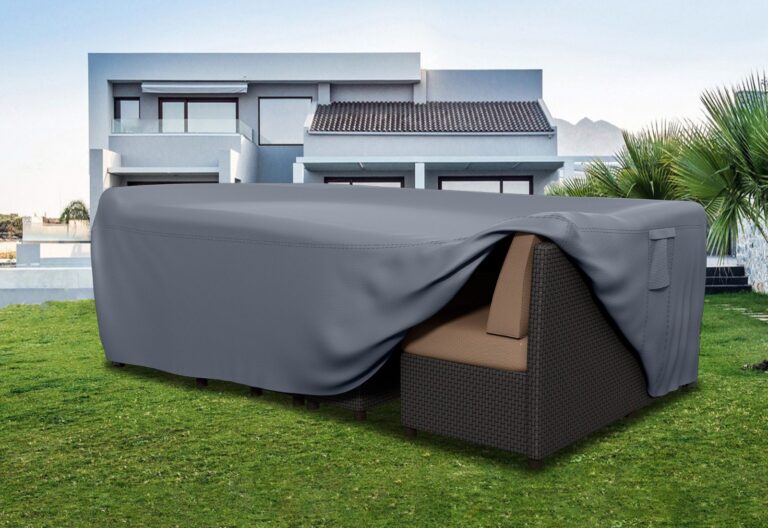
A breathable cover over winter keeps snow and debris out of the weave and extends the life of any set. Our picks for the best patio furniture covers fit most wicker sofas and chairs.
How do you clean wicker furniture?
For resin wicker, hose it off, scrub with mild soap and water and a soft brush (an old toothbrush gets into the weave), then rinse and let it air-dry. For natural wicker, vacuum with a brush attachment, then wipe with a barely damp cloth and mild soap; avoid soaking it. If you’re cleaning cushions too, follow our guide to how to clean outdoor cushions.
All-weather wicker picks
Each of these is sold as all-weather (resin) wicker, so it’s made to live outdoors.
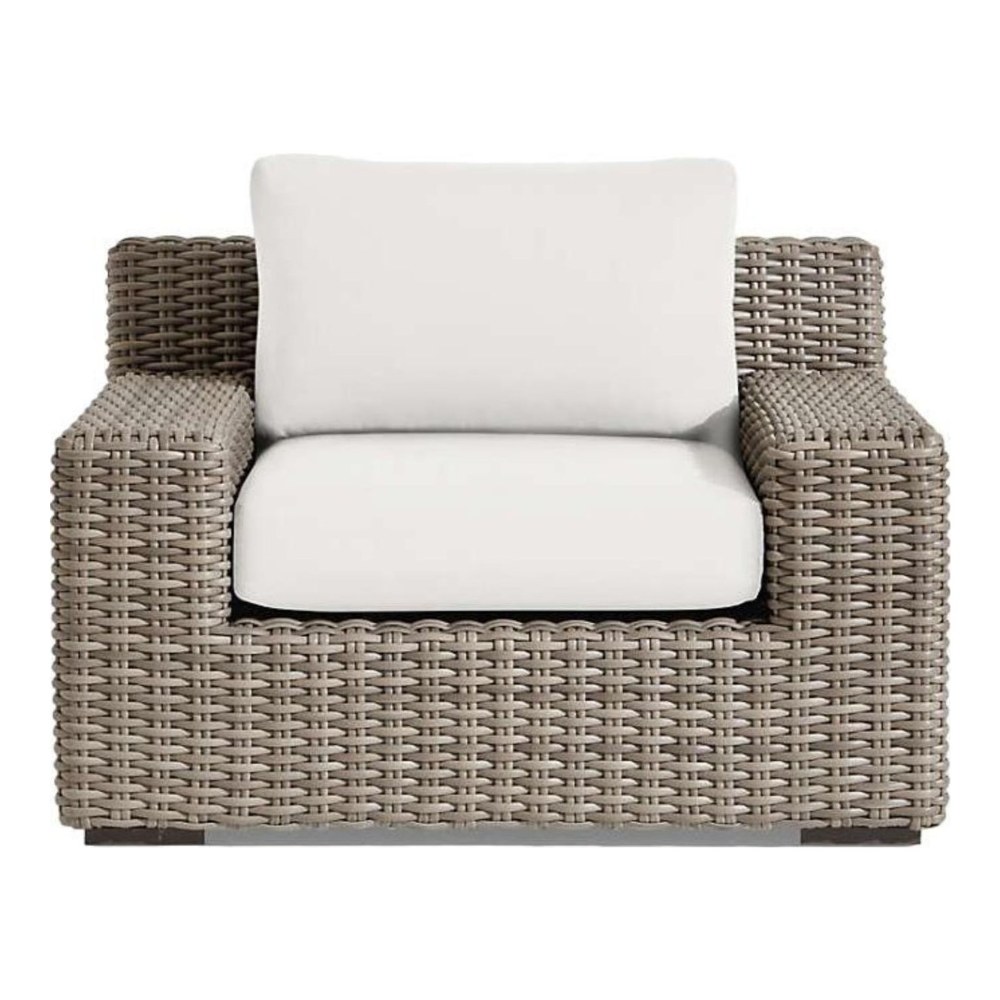
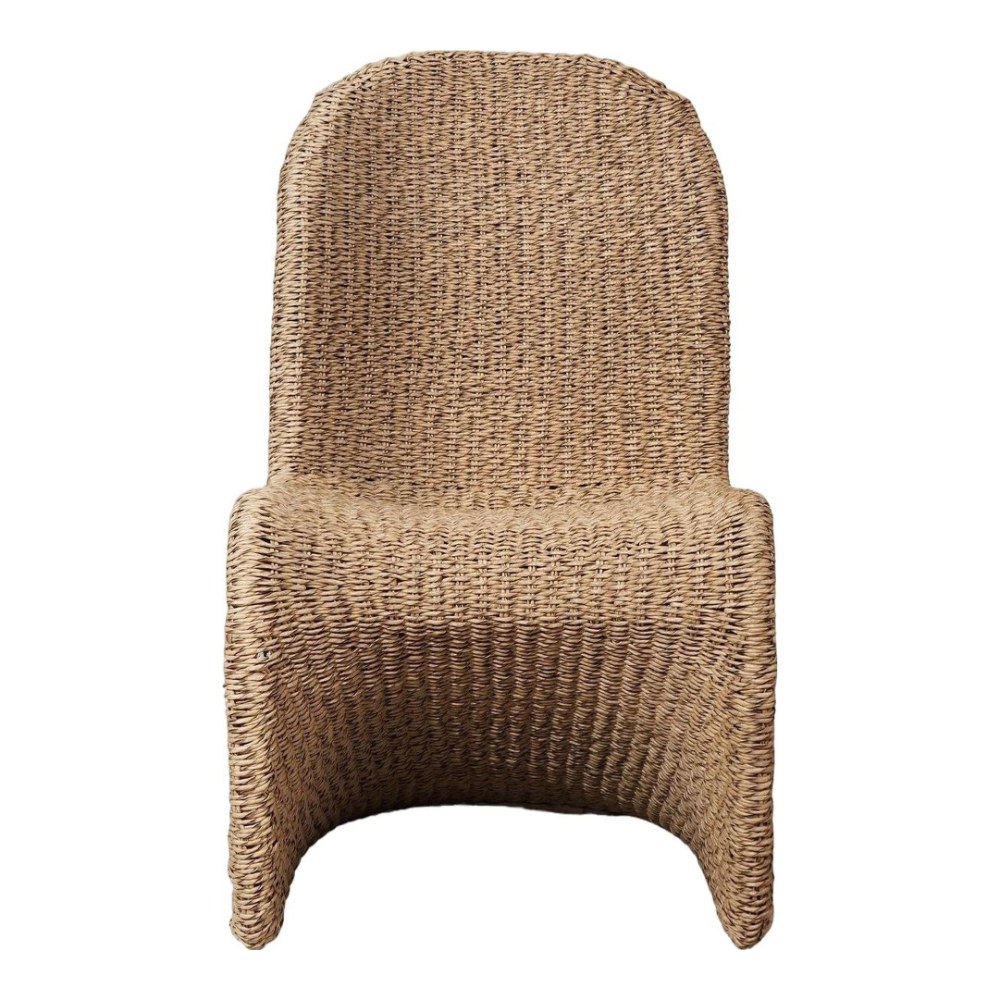
More styles, from coastal to modern, in our full guide to wicker patio furniture.
Source: material differences between natural and HDPE wicker per Neighbor’s wicker guide (checked Nov. 14, 2026).
FAQ
Yes. HDPE resin wicker is non-porous and designed for rain, sun and snow; just bring the cushions in and make sure the frame is rust-resistant aluminum.
Usually not. Dry it promptly with a towel and good airflow and keep people off it until it is fully dry; repeated soaking is what causes warping, mildew and rot.
Not exactly. Rattan is a natural palm material, while wicker is the weaving technique, which can use rattan, willow, reed or synthetic resin strands.
Quality HDPE wicker on an aluminum frame commonly lasts 10 years or more with seasonal cleaning and a cover in winter; cheap PVC wicker can crack within a few seasons.